
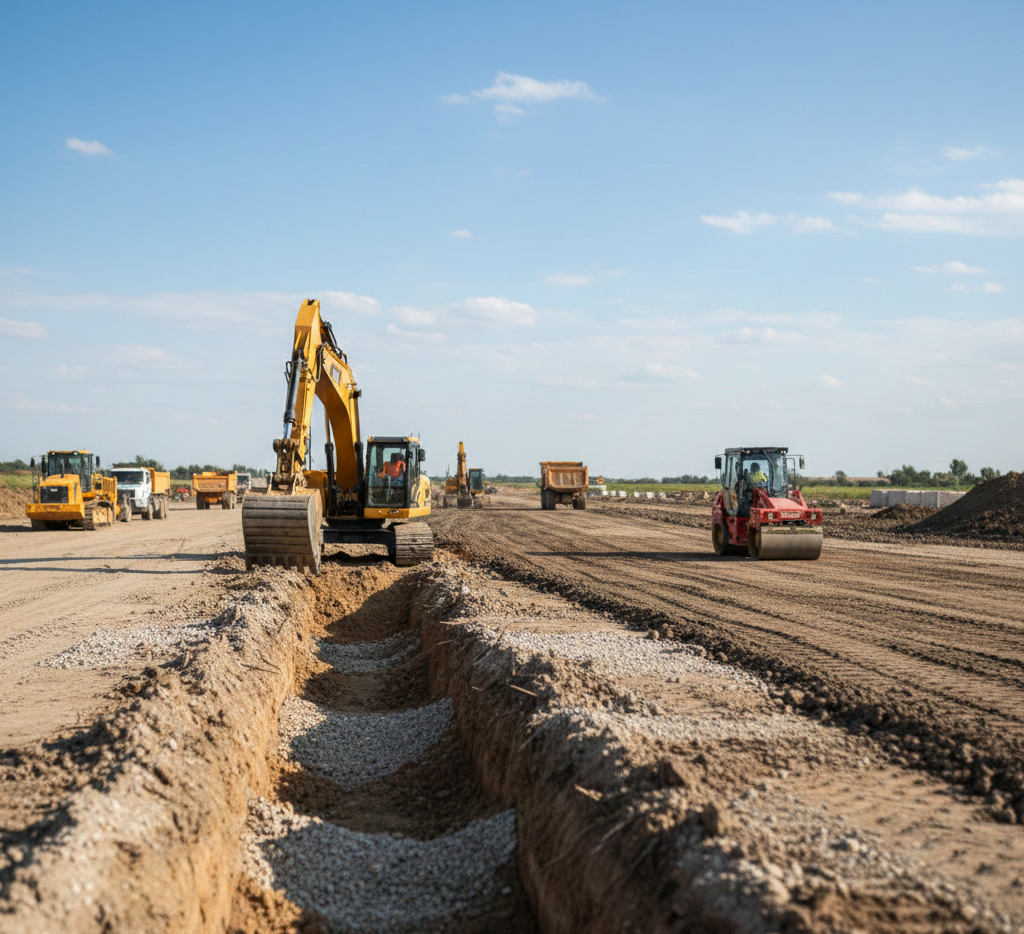
It’s as easy as digging a hole and backing it up. As everybody who spent time on a building job knows, though, it’s not that easy. Before anything else can start, the basic steps must be taken, like laying pipes, roads, or wires.
And there are always problems that can slow things down or make life harder, just like in any other job. Here are some of the most common issues and what you can do to fix them.
1. Soil that is volatile or weak
Some soils don’t want to work with you. Soil that is sandy or wet can easily fall apart, which makes digging dangerous and backfilling hard.
Make a plan by looking at the dirt first. This pit might need to have its sides supported, its slope fixed, or it may need to be torn down and replaced with something better if it’s not strong enough. It can save you plenty of trouble in the future.
2. Plugs and pipes that are hidden
When you dig, have you ever hit a water pipe or an electricity cable? It’s scary, and it might stop the whole project.
Deal with it: Look at what’s under the ground before you dig. Today’s tools can help find hidden services, and careful work makes sure no harm is done. Making plans ahead of time keeps everyone safe and the job on track.
3. Problems with water
The ground, rain, or leaks can all let water in. It makes the ground weak, slippery, and tough to work with. Also, dirt that is too wet doesn’t pack down properly, which can cause surfaces to be uneven over time.
How to deal with it: Use pumps or drainage channels to keep the spot dry. Even short-term ways to move water can make a big difference. If the ground is dry, the backfill will be stronger and last longer
4. Not using the right backfill material
Backfilling doesn’t work with all types of dirt. If you use the wrong material, the surfaces may sink, crack, or pipes and wires may get damaged.
To deal with it, use good backfill material and add layers of it. Make sure you pack down each layer correctly so it’s stable and solid. It will be easier in the long run if you do a little extra work now.
5. Not enough compacting
If the dirt isn’t packed down well, even if it’s the right stuff, it can sink, making surfaces uneven and damaging things.
How to deal with it: Pack down the dirt one layer at a time and make sure it’s firm. If you flatten the ground correctly, you can build on top of it, and it will be strong.
6. Small Rooms
When you work on projects in cities, you often have to do so in small areas surrounded by buildings, roads, or traffic. This can make it harder to dig and fill in the holes.
Please plan, cut down on your tools, and do it in chunks. Even if there isn’t much space, the job can still be done quickly and safely.
7. Dangers to safety
Working in places where individuals dig can be risky. Mishaps can happen because of deep holes, big tools, and uneven ground. It’s possible to slip and fall.
That’s easy: follow the safety rules, make sure everyone knows what to do, and always wear safety gear. When the spot is checked often, the work gets done quickly, and everybody stays safe.
What experts do that creates a difference.
Going down and back up might look easy, but you must be aware of how to do it right, along with the right tools. Smart people know how to handle tough issues like water, dirt, and services that are tough to see. They keep you safe and make sure you do your work well and on time.
Last Thoughts
To do excavation and backfilling, you need to do more than dig and stuff. They allow thoughts to come about. Plan, use appropriate tools, and follow safety rules when building something that will last.
